
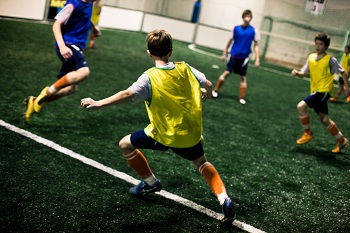
Indoor Soccer Training: Enhancing Skills and Fitness
Indoor soccer training is a fantastic way to improve your skills, fitness, and overall performance on the pitch. Whether you’re a beginner looking to learn the basics or an experienced player aiming to take your game to the next level, indoor training offers a unique and effective environment for development.
One of the key benefits of indoor soccer training is the fast-paced nature of the game. With smaller playing areas and fewer players on each team, indoor soccer requires quick thinking, precise passing, and excellent ball control. These skills are essential for success in outdoor soccer as well, making indoor training a valuable addition to any player’s routine.
In addition to honing technical skills, indoor soccer training also provides a great cardiovascular workout. The constant movement and high-intensity nature of the game help improve endurance, speed, and agility. Regular participation in indoor training sessions can help players build stamina and improve their overall fitness levels.
Moreover, indoor soccer training is a great way to stay active during the off-season or when outdoor conditions are less than ideal. The controlled environment of indoor facilities allows players to practice year-round without worrying about weather-related interruptions.
Whether you’re looking to work on your passing accuracy, shooting technique, or defensive positioning, indoor soccer training offers a focused and structured approach to skill development. With experienced coaches guiding you through drills and exercises tailored to your needs, you can make significant progress in a short amount of time.
In conclusion, indoor soccer training is an invaluable tool for players of all ages and skill levels looking to enhance their abilities on the pitch. By taking advantage of the unique benefits that indoor training offers, you can improve your skills, boost your fitness levels, and elevate your overall performance as a soccer player.
7 Essential Tips for Enhancing Indoor Soccer Skills
- Focus on ball control and dribbling skills in tight spaces.
- Work on quick passing and one-touch play to improve team communication.
- Practice shooting from various angles to enhance scoring ability.
- Improve agility and speed with ladder drills and cone exercises.
- Develop defensive skills such as marking, intercepting passes, and tackling.
- Include small-sided games to simulate match situations and improve decision-making.
- Don’t forget to warm up properly before each session and cool down afterwards to prevent injuries.
Focus on ball control and dribbling skills in tight spaces.
To excel in indoor soccer training, it is crucial to focus on enhancing ball control and dribbling skills, especially in tight spaces. The confined playing area of indoor facilities requires players to have exceptional control over the ball and the ability to maneuver effectively in limited space. By practising close ball control and honing dribbling skills in tight spaces, players can improve their agility, quick decision-making, and overall performance on the pitch. Mastering these skills will not only make players more confident and effective during indoor matches but also translate into improved performance in outdoor games.
Work on quick passing and one-touch play to improve team communication.
To enhance team communication during indoor soccer training, focusing on quick passing and one-touch play is key. By practising these techniques, players can develop a better understanding of each other’s movements and intentions on the pitch. Quick passing and one-touch play require players to think ahead, anticipate their teammates’ actions, and communicate effectively through their gameplay. This not only improves team coordination but also fosters a sense of unity and cohesion among players, leading to more efficient and successful performances on the indoor soccer field.
Practice shooting from various angles to enhance scoring ability.
To improve your scoring ability in indoor soccer training, it is essential to practice shooting from various angles. By honing your skills in shooting from different positions on the pitch, you can develop the precision and technique needed to score goals effectively during matches. Training to shoot from various angles will not only enhance your scoring ability but also make you a more versatile and unpredictable player on the field.
Improve agility and speed with ladder drills and cone exercises.
To enhance agility and speed in indoor soccer training, incorporating ladder drills and cone exercises into your routine can be highly beneficial. Ladder drills focus on quick footwork and coordination, helping players improve their ability to change direction rapidly and navigate tight spaces effectively. Cone exercises, on the other hand, enhance dribbling skills and agility by simulating game-like scenarios that require sharp turns and precise movements. By regularly practising these drills, players can develop the agility, speed, and control needed to outmanoeuvre opponents on the indoor soccer pitch successfully.
Develop defensive skills such as marking, intercepting passes, and tackling.
To excel in indoor soccer training, it is crucial to focus on developing defensive skills such as marking, intercepting passes, and tackling. By honing these abilities, players can effectively disrupt the opposition’s attacks, regain possession of the ball, and provide a solid defensive foundation for their team. Practising techniques like tight marking to limit the opponent’s space, anticipating passes to intercept them, and executing well-timed tackles can significantly enhance a player’s defensive prowess on the indoor pitch. By mastering these skills, players can become valuable assets to their team and contribute to overall success on the field.
Include small-sided games to simulate match situations and improve decision-making.
To enhance the effectiveness of indoor soccer training, incorporating small-sided games is highly recommended. By engaging in these game scenarios, players can simulate real match situations, which helps improve their decision-making skills on the field. Small-sided games not only encourage quick thinking and strategic play but also provide a dynamic and competitive environment for players to test their abilities in a more realistic setting. This approach not only enhances technical skills but also fosters teamwork and communication among players, making it a valuable addition to any indoor training session.
Don’t forget to warm up properly before each session and cool down afterwards to prevent injuries.
To maximise the benefits of indoor soccer training and reduce the risk of injuries, it is crucial to remember the importance of a thorough warm-up before each session and a proper cool-down afterwards. A well-executed warm-up routine helps prepare your body for the physical demands of training, increasing blood flow to muscles and enhancing flexibility. Similarly, a structured cool-down allows your body to gradually return to its resting state, aiding in muscle recovery and reducing the likelihood of strains or sprains. By prioritising these essential steps, players can enjoy productive and injury-free indoor soccer sessions.
Tags: agility, ball control, beginner, cardiovascular workout, coaches guidance, defensive positioning, development, endurance, experienced player, fitness, fitness levels, indoor soccer training, off-season, outdoor soccer, passing accuracy, performance, precise passing, quick thinking, shooting technique, skills, speed, stamina, weather-related interruptions