
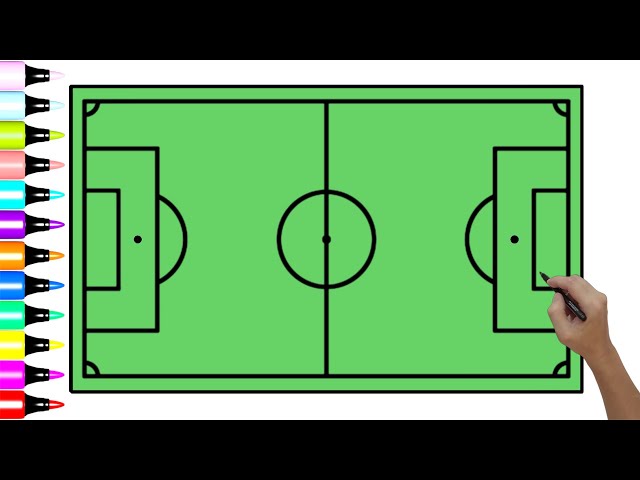
The Importance of a Well-Maintained Soccer Pitch
When it comes to the beautiful game of football, the soccer pitch is more than just a playing surface – it is the stage where moments of glory and triumph unfold. A well-maintained soccer pitch is crucial for the success and enjoyment of the game, both for players and spectators alike.
One of the key factors that contribute to the quality of a soccer pitch is its playing surface. A smooth, level, and properly maintained pitch provides players with the ideal conditions to showcase their skills and abilities. It allows for accurate passing, precise shooting, and dynamic movement, enhancing the overall quality of play.
In addition to the playing surface, proper pitch maintenance also includes regular mowing, watering, fertilizing, and aerating. These practices help keep the grass healthy and green, ensuring optimal playing conditions throughout the season. A well-maintained pitch not only improves player performance but also reduces the risk of injuries due to uneven or slippery surfaces.
Furthermore, a well-groomed soccer pitch enhances the overall aesthetic appeal of the game. Spectators are more likely to enjoy watching matches played on a pristine field, creating a positive atmosphere and boosting excitement levels. A visually appealing pitch also reflects positively on the club or organisation responsible for its upkeep.
Ultimately, investing time and resources into maintaining a high-quality soccer pitch is essential for promoting player development, ensuring safety, and enhancing the overall football experience for everyone involved. Whether at grassroots level or professional stadiums, a well-maintained pitch is truly the foundation upon which unforgettable football moments are built.
Understanding the Soccer Pitch: Common Questions Answered
- What size is the Premier League pitch?
- Is it a soccer field or pitch?
- Why do British people call it a pitch?
- Why are football pitches different sizes?
- What is the difference between pitch and field?
- What is the size of a soccer pitch?
- Why do they call it pitch?
- Why is a soccer field called a pitch?
What size is the Premier League pitch?
The size of a Premier League pitch is standardized according to regulations set by the Football Association (FA). In professional football, including the Premier League, the standard dimensions of a pitch must be between 100-130 yards in length and 50-100 yards in width. Specifically, for Premier League matches, the recommended pitch size is approximately 115 yards in length and 74 yards in width. Adhering to these dimensions ensures consistency and fairness across all top-tier football matches, allowing players to showcase their skills on a level playing field.
Is it a soccer field or pitch?
In the world of football, the terms “soccer field” and “pitch” are often used interchangeably, leading to confusion among fans and players alike. While both terms refer to the same playing area where football matches take place, there is a subtle difference in usage based on regional preferences. In the United States and Canada, the term “soccer field” is more commonly used, reflecting the widespread use of the word “soccer” to describe the sport. On the other hand, in countries like the United Kingdom and many other parts of the world, “pitch” is the preferred term when referring to the playing surface. Despite this distinction, both terms ultimately refer to the same essential element of football – the hallowed ground where dreams are made and memories are forged.
Why do British people call it a pitch?
The term “pitch” is commonly used by British people to refer to a soccer field or playing surface. The origin of this terminology can be traced back to the early days of football in England, where matches were often played on rough and uneven grounds that required constant maintenance. The word “pitch” itself comes from the Old English word “pic,” which means a pointed or peaked object, reflecting the rough and rugged nature of early football fields. Over time, the term became ingrained in British football culture and is now widely accepted as a synonym for a playing field, particularly in the context of soccer.
Why are football pitches different sizes?
Football pitches vary in size due to a combination of historical reasons, practical considerations, and international regulations. The dimensions of a football pitch are governed by the rules set out by FIFA, the world governing body of football, which stipulates a range of acceptable lengths and widths for pitches. The variation in sizes can be attributed to factors such as available space, tradition, and playing style preferences. For example, smaller pitches may favour teams that focus on quick passing and close control, while larger pitches offer more room for expansive play and long-range passing. Ultimately, the diversity in pitch sizes adds an element of strategy and adaptability to the game, challenging teams to adjust their tactics based on the dimensions of the playing surface.
What is the difference between pitch and field?
In the realm of football terminology, the distinction between “pitch” and “field” lies in regional variations and usage. In British English, “pitch” is commonly used to refer to the playing surface where football matches take place, emphasizing the area specifically designated for gameplay. On the other hand, “field” is a broader term that encompasses the entire area where sports activities can occur, including the surrounding space beyond the pitch itself. While both terms may be used interchangeably in casual conversation, understanding this subtle difference can help clarify discussions about specific areas within a sporting context.
What is the size of a soccer pitch?
One of the most frequently asked questions in football is, “What is the size of a soccer pitch?” The dimensions of a standard soccer pitch can vary slightly depending on whether it is an international match or a local game. In general, a regulation football pitch is approximately 100-110 meters in length and 64-75 meters in width. These dimensions are set by governing bodies such as FIFA and are designed to ensure a fair and consistent playing field for all teams. Understanding the size of a soccer pitch is crucial for players, coaches, and fans alike, as it impacts strategies, tactics, and overall gameplay during matches.
Why do they call it pitch?
The term “pitch” has its origins in the early days of football when matches were played on fields that were often uneven and rough. The word “pitch” likely comes from the Old English word “pic,” meaning a pointed or peaked object, which could refer to the uneven terrain of early playing fields. Over time, the term became synonymous with the playing surface used for football matches. Today, “pitch” is commonly used to describe the area where football games are played, regardless of its surface material or condition.
Why is a soccer field called a pitch?
The term “pitch” is commonly used to refer to a soccer field in the UK and other parts of the world. The origin of calling a soccer field a “pitch” can be traced back to the early days of the sport when matches were played on grassy areas that were often uneven and rough. The word “pitch” originally referred to any piece of ground that was suitable for playing sports or games. Over time, the term became synonymous with football fields, reflecting the idea of players pitching in or competing on a designated playing surface. Today, the use of “pitch” to describe a soccer field has become ingrained in football culture, representing not just a physical space for matches but also a symbol of tradition and history in the sport.
Tags: aerating, conditions, fertilizing, grass healthy and green, level, maintenance, movement, mowing, optimal playing conditions throughout the season, passing, play, players, playing surface, properly maintained, quality, shooting, skills, smooth, soccer pitch, spectators, watering, well-maintained