
The Importance of a Soccer Field
A soccer field, also known as a football pitch, is the foundation of the beautiful game. It is the canvas on which players showcase their skills, teams compete for victory, and fans come together to support their favourite clubs.
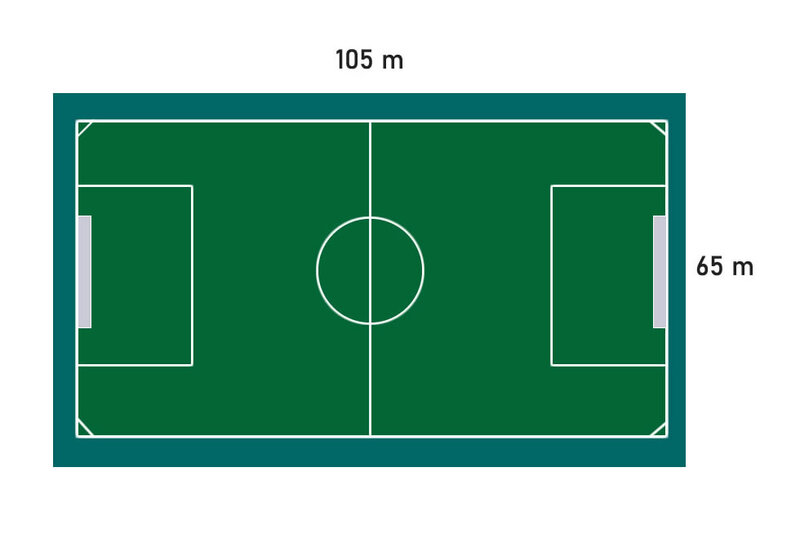
One of the most crucial aspects of a soccer field is its dimensions. A standard soccer field is rectangular in shape, with a length ranging from 100 to 130 metres and a width ranging from 50 to 100 metres. The dimensions of the field are carefully regulated to ensure fair play and an optimal playing experience for all involved.
The surface of a soccer field is typically made of natural grass or artificial turf. The choice of surface can have a significant impact on the speed and bounce of the ball, as well as the overall playing conditions. Maintaining a high-quality playing surface is essential to ensure player safety and performance.
Another important feature of a soccer field is the goalposts and nets. The goalposts are located at each end of the field and serve as the target for players to score goals. The nets help to clearly indicate when a goal has been scored and add to the excitement of the game.
Lines are also an integral part of a soccer field, marking out boundaries such as the penalty area, goal area, centre circle, and touchlines. These lines help players understand where they can and cannot go during play, ensuring that matches are played within the rules.
In conclusion, a well-maintained soccer field is essential for the success and enjoyment of the game. It provides players with a safe and fair environment in which to compete, spectators with an exciting spectacle to watch, and clubs with a home they can be proud of.
Essential FAQs About Soccer Field Dimensions, Surfaces, Markings, Equipment, Maintenance, and Regulations
- What are the dimensions of a standard soccer field?
- What is the typical surface of a soccer field?
- How are soccer field lines marked out?
- What equipment is needed on a soccer field, such as goalposts and nets?
- How important is maintaining the quality of the playing surface on a soccer field?
- Are there specific regulations regarding the size and layout of a soccer field?
What are the dimensions of a standard soccer field?
The dimensions of a standard soccer field are crucial to ensuring fair play and a consistent playing experience. A typical soccer field is rectangular in shape, with a length that ranges from 100 to 130 metres and a width that ranges from 50 to 100 metres. These standardized dimensions are carefully regulated by governing bodies to maintain consistency across different pitches and competitions. Players, coaches, and officials rely on these established measurements to understand the boundaries of the field and strategize effectively during matches. Having clear and consistent dimensions for soccer fields helps promote fairness, safety, and an optimal playing environment for all involved in the game.
What is the typical surface of a soccer field?
The typical surface of a soccer field can vary depending on factors such as location, climate, and budget. However, natural grass and artificial turf are the two most common types of surfaces used for soccer fields. Natural grass provides a traditional playing surface that is soft, responsive, and aesthetically pleasing. On the other hand, artificial turf offers a more durable and low-maintenance option that can withstand heavy use and adverse weather conditions. Both surfaces have their advantages and considerations, with clubs often choosing based on factors such as cost, maintenance requirements, and player preferences.
How are soccer field lines marked out?
Soccer field lines are marked out using a combination of chalk, paint, or adhesive tapes. The process typically involves measuring and marking the required distances and angles to accurately define the boundaries of the field, including the penalty area, goal area, centre circle, and touchlines. Groundskeepers or maintenance crews use specialised equipment such as line marking machines or templates to ensure that the lines are straight, evenly spaced, and clearly visible to players and officials during matches. Regular maintenance and re-marking of the lines are essential to uphold the integrity of the field and ensure fair play in every game.
What equipment is needed on a soccer field, such as goalposts and nets?
On a soccer field, essential equipment includes goalposts and nets. Goalposts are positioned at each end of the field and serve as the target for players to score goals. The nets are attached to the goalposts to clearly indicate when a goal has been scored, adding to the excitement and clarity of the game. Properly installed and maintained goalposts and nets are crucial for ensuring fair play, accurate scoring, and an enjoyable playing experience for both players and spectators alike.
How important is maintaining the quality of the playing surface on a soccer field?
Maintaining the quality of the playing surface on a soccer field is paramount to ensuring optimal performance and safety for players. A well-kept pitch not only enhances the overall playing experience but also reduces the risk of injuries caused by uneven surfaces or poor turf conditions. The quality of the playing surface can significantly impact ball movement, player agility, and overall match dynamics. Regular maintenance, such as mowing, watering, and aerating, is essential to preserve the integrity of the pitch and provide a level playing field for all participants. Ultimately, investing in the upkeep of the playing surface is crucial for upholding standards of play, promoting fair competition, and creating an enjoyable environment for players and spectators alike.
Are there specific regulations regarding the size and layout of a soccer field?
In soccer, there are specific regulations governing the size and layout of a soccer field to ensure consistency and fairness in the game. According to the Laws of the Game set by FIFA, a standard soccer field should be rectangular in shape, with a length between 100 to 130 metres and a width between 50 to 100 metres. The field is divided into different areas such as the penalty area, goal area, centre circle, and touchlines, each with specific dimensions and purposes. These regulations help maintain a level playing field for all teams and players, ensuring that matches are conducted within the established rules and standards of the game.
Tags: artificial turf, centre circle, dimensions, goal area, goalposts, length, lines, natural grass, nets, penalty area, soccer field, standard soccer field, surface, touchlines, width