
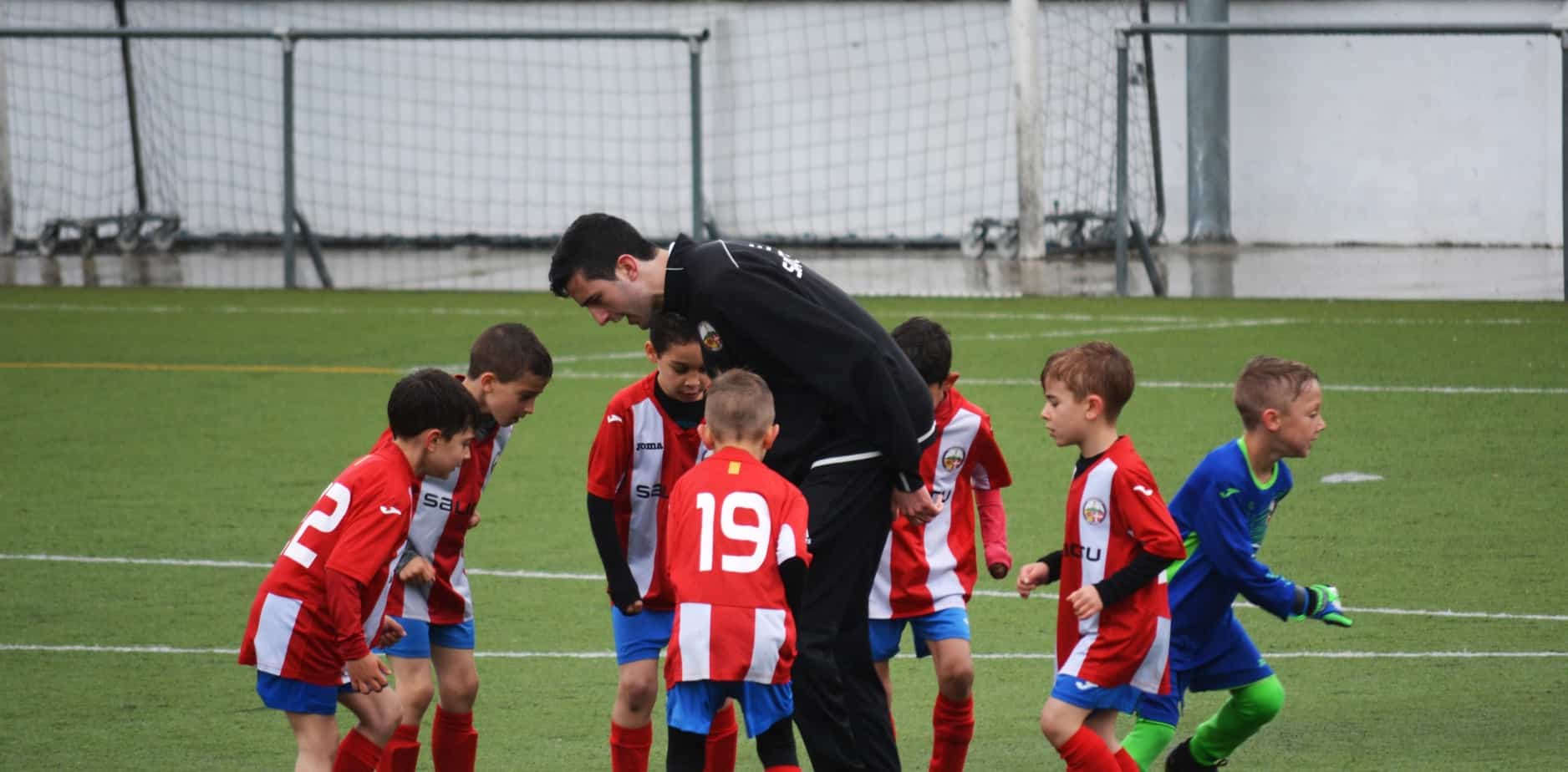
The Importance of Having a Coach in Sports
Coaches play a crucial role in the world of sports, serving as mentors, teachers, motivators, and leaders for athletes of all levels. Whether it’s on the field, court, track, or pool, coaches have a significant impact on the development and success of their players.
One of the key roles of a coach is to provide guidance and instruction to athletes. Coaches help players improve their skills, develop strategies, and understand the nuances of their sport. They analyse performance, offer feedback, and tailor training programmes to meet the individual needs of each player.
Coaches also serve as motivators, inspiring athletes to push themselves beyond their limits and strive for excellence. They instil discipline, resilience, and determination in their players, helping them overcome challenges and setbacks both on and off the field.
Furthermore, coaches act as role models for their athletes. They demonstrate good sportsmanship, integrity, and respect for others, setting an example for how to conduct oneself with grace and dignity in victory and defeat.
In addition to technical skills and strategy development, coaches also focus on the mental aspect of sports. They help athletes build confidence, manage stress and anxiety, set goals, and develop a winning mindset that is essential for success in competitive sports.
Ultimately, coaches play a vital role in shaping not only the athletic abilities but also the character and values of their players. Their guidance and support are invaluable in helping athletes reach their full potential both on and off the field.
Essential FAQs About Sports Coaching: Qualifications, Roles, and Finding the Right Coach
- What qualifications are required to become a sports coach?
- How can I find a reputable sports coach for my child?
- What is the role of a sports coach in developing young athletes?
- How do sports coaches help improve performance and skills?
- What are the benefits of hiring a personal sports coach?
- How can I become a certified sports coach?
- What qualities make a good sports coach?
- Are there different coaching styles in sports, and how do they impact players?
What qualifications are required to become a sports coach?
To become a sports coach, certain qualifications are typically required to ensure that individuals have the necessary knowledge and skills to effectively lead and train athletes. While specific requirements may vary depending on the sport and level of coaching, common qualifications include obtaining coaching certifications or licenses from recognised governing bodies, completing relevant coaching courses or workshops, and gaining practical experience through volunteering or assistant coaching roles. Additionally, having a strong understanding of sports science, first aid training, and effective communication skills are essential for aspiring sports coaches to succeed in guiding and developing athletes to reach their full potential.
How can I find a reputable sports coach for my child?
Finding a reputable sports coach for your child is a crucial decision that can greatly impact their athletic development and overall experience in sports. To find the right coach, start by asking for recommendations from other parents, friends, or your child’s school. Look for coaches who have relevant qualifications, experience working with children, and a positive coaching philosophy that aligns with your values. Consider scheduling meetings or trial sessions with potential coaches to assess their coaching style, communication skills, and rapport with your child. It’s also important to inquire about the coach’s approach to safety, discipline, and goal-setting to ensure a positive and productive coaching relationship for your child.
What is the role of a sports coach in developing young athletes?
The role of a sports coach in developing young athletes is multifaceted and crucial to their growth and success. A sports coach serves as a mentor, teacher, motivator, and role model for young athletes. They provide guidance, instruction, and feedback to help athletes improve their skills, understand the game better, and develop effective strategies. Coaches also focus on building the mental toughness of young athletes, helping them develop confidence, resilience, and a positive mindset essential for success in sports. Moreover, coaches instil important values such as teamwork, discipline, sportsmanship, and respect in young athletes, shaping not only their athletic abilities but also their character and integrity both on and off the field.
How do sports coaches help improve performance and skills?
Sports coaches play a pivotal role in enhancing performance and skills by providing expert guidance, personalised training programmes, and constructive feedback to athletes. They analyse individual strengths and weaknesses, tailor coaching methods to address specific areas of improvement, and instil discipline and motivation in their players. Through structured practice sessions, strategic planning, and continuous evaluation, coaches help athletes refine their techniques, develop game intelligence, and build confidence to excel in their respective sports. Additionally, coaches serve as mentors who inspire athletes to push beyond their limits, instilling a winning mindset that is essential for achieving peak performance on the field.
What are the benefits of hiring a personal sports coach?
Hiring a personal sports coach offers a multitude of benefits for athletes looking to enhance their performance and achieve their goals. A personal sports coach provides individualised attention and tailored training programmes that address the specific needs and abilities of the athlete. They offer expert guidance, feedback, and support to help improve technical skills, physical fitness, mental toughness, and overall performance. Additionally, a personal sports coach can provide motivation, accountability, and encouragement to push the athlete beyond their limits and unlock their full potential. The personalised approach of a personal sports coach can lead to faster progress, increased confidence, reduced risk of injury, and ultimately greater success in sports pursuits.
How can I become a certified sports coach?
If you are aspiring to become a certified sports coach, there are several steps you can take to achieve this goal. Firstly, it is important to research the specific requirements and qualifications needed to become a sports coach in your chosen sport or discipline. Many sports coaching certifications require completion of training courses, workshops, and practical coaching experience. Additionally, obtaining relevant qualifications such as coaching certifications from recognised governing bodies can enhance your credibility as a coach. It is also beneficial to seek mentorship from experienced coaches and actively engage in coaching opportunities to gain hands-on experience and develop your skills. By investing time and effort into your professional development as a sports coach, you can work towards becoming a certified and successful coach in your desired field.
What qualities make a good sports coach?
When considering what qualities make a good sports coach, several key attributes come to mind. Firstly, effective communication skills are essential for a coach to convey instructions clearly and motivate their athletes. Patience and empathy are also crucial, as a good coach understands the individual needs and challenges of each player. Strong leadership abilities help coaches inspire and guide their team towards success, while adaptability allows them to adjust strategies based on the situation. A deep knowledge of the sport and a passion for teaching and developing players are also important qualities that contribute to being a successful sports coach.
Are there different coaching styles in sports, and how do they impact players?
In the world of sports, there are indeed different coaching styles that coaches adopt to lead and guide their players. These coaching styles can vary from authoritarian and directive to democratic and player-centred approaches. Each style has its own unique impact on players. Authoritarian coaches tend to be strict and demanding, focusing on discipline and obedience, which can motivate some players but may also create a tense or fear-driven environment. On the other hand, democratic coaches involve players in decision-making and encourage open communication, fostering a sense of empowerment and teamwork among players. Player-centred coaches emphasise individual development and self-discovery, allowing players to take ownership of their growth and learning. The coaching style employed can greatly influence a player’s motivation, confidence, performance, and overall experience in sports.
Tags: child, coach sports, coaching certifications, coaching courses, coaching philosophy, communication skills, discipline, first aid training, goal setting, licenses, mentor, motivator, practical experience, qualifications, recommendations, reputable sports coach, role model, safety, sports coach, sports science, teacher, workshops, young athletes