
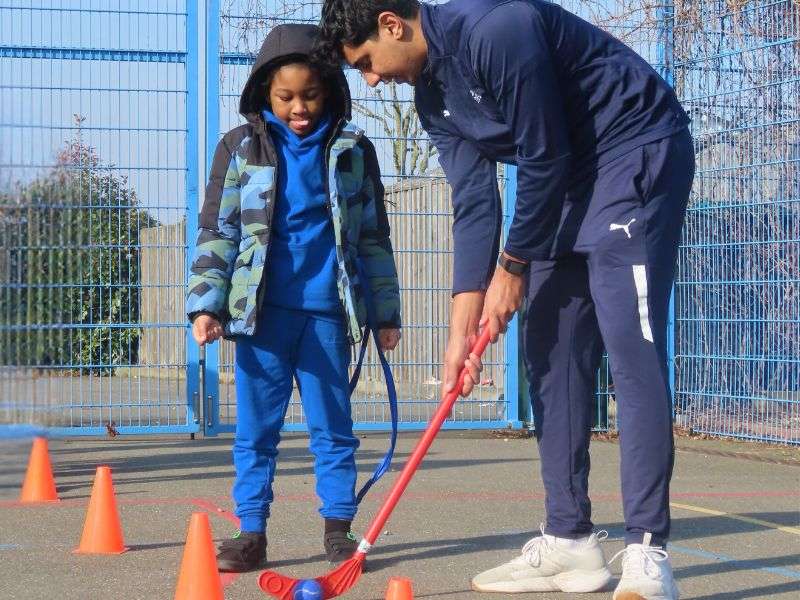
The Importance of Sports Coaching
Sports coaching plays a crucial role in the development and success of athletes across all levels of competition. Whether it’s a young child learning the basics of a sport or a professional athlete striving for excellence, coaches provide guidance, support, and expertise that can make a significant difference in an athlete’s performance.
One of the key benefits of sports coaching is the personalized attention and feedback that athletes receive. Coaches are able to identify strengths and weaknesses in an athlete’s technique, physical conditioning, and mental approach to the game. By providing individualized feedback and tailored training programmes, coaches can help athletes improve their skills and reach their full potential.
Furthermore, sports coaching goes beyond just technical instruction. Coaches also play a critical role in shaping athletes’ character, instilling values such as teamwork, discipline, resilience, and sportsmanship. Through their mentorship and leadership, coaches can help athletes develop important life skills that go beyond the playing field.
Effective sports coaching also involves creating a positive and supportive environment for athletes to thrive. Coaches must build strong relationships with their players, earning their trust and respect. By fostering a culture of mutual respect, communication, and collaboration, coaches can create a team dynamic that promotes unity and success.
In conclusion, sports coaching is an essential component of athletic development. From teaching technical skills to nurturing character traits, coaches have a profound impact on the growth and success of athletes. Their dedication, expertise, and passion for the game inspire athletes to push themselves to new heights and achieve their goals.
Essential FAQs About Sports Coaching: Types, Qualifications, Roles, and Benefits
- What are the four types of coaching?
- What qualifications are needed for a sports coach?
- What does a sports coach do?
- What qualifications do I need for sports coaching?
- What are the benefits of sports coaching?
- What is the 70/30 rule in coaching?
- What does sport coach do?
- How many types of sports coaching are there?
What are the four types of coaching?
One frequently asked question in sports coaching is, “What are the four types of coaching?” The four main types of coaching commonly recognised in the sports industry are instructional coaching, developmental coaching, motivational coaching, and corrective coaching. Instructional coaching focuses on teaching athletes specific skills and techniques. Developmental coaching aims to nurture long-term growth and improvement in athletes. Motivational coaching involves inspiring and encouraging athletes to perform at their best. Corrective coaching addresses areas of improvement and helps athletes overcome challenges to enhance their performance on the field. Each type of coaching plays a unique role in supporting athletes’ development and success in sports.
What qualifications are needed for a sports coach?
When considering a career in sports coaching, aspiring individuals often wonder about the qualifications required to excel in this field. While specific qualifications may vary depending on the level of coaching and the sport involved, a solid foundation typically includes a coaching certification or diploma from a recognised governing body. Additionally, practical experience through coaching placements, internships, or volunteer work can be invaluable in honing coaching skills and building credibility. Continuous professional development through workshops, seminars, and further education is also essential to stay up-to-date with the latest coaching techniques and practices. Ultimately, a combination of formal qualifications, practical experience, and ongoing learning is key to becoming a successful sports coach.
What does a sports coach do?
A sports coach plays a multifaceted role in the development and success of athletes. Primarily, a sports coach is responsible for providing guidance, instruction, and support to athletes in improving their skills and performance in a particular sport. They design training programmes, analyze performance data, and offer feedback to help athletes reach their full potential. Additionally, sports coaches act as mentors, motivators, and role models for their players, instilling important values such as teamwork, discipline, and resilience. Ultimately, a sports coach’s impact goes beyond the technical aspects of the game; they shape athletes’ character and help them navigate challenges both on and off the field.
What qualifications do I need for sports coaching?
When considering a career in sports coaching, aspiring individuals often wonder about the qualifications required for this role. While specific requirements may vary depending on the level of coaching and the sport in question, obtaining relevant qualifications is essential for becoming a successful sports coach. Typically, aspiring coaches are encouraged to pursue certifications or diplomas from recognised governing bodies or sports associations. These qualifications often cover topics such as coaching principles, sports psychology, injury prevention, and athlete development. Additionally, gaining practical experience through coaching placements or apprenticeships can further enhance one’s skills and credibility as a coach. Ultimately, a combination of formal qualifications and hands-on experience is key to establishing oneself as a competent and knowledgeable sports coach.
What are the benefits of sports coaching?
The benefits of sports coaching are numerous and far-reaching. Sports coaching provides athletes with personalized guidance and feedback to improve their skills and reach their full potential. Coaches not only focus on technical aspects but also help develop important life skills such as teamwork, discipline, and resilience. They create a positive and supportive environment that fosters growth and success, while instilling values of sportsmanship and fair play. Ultimately, sports coaching plays a crucial role in shaping athletes into well-rounded individuals both on and off the field.
What is the 70/30 rule in coaching?
The 70/30 rule in coaching refers to the balance between listening and talking that a coach should aim to achieve during coaching sessions. According to this rule, a coach should spend around 70% of the time listening to the athlete or team members and only 30% of the time talking. By actively listening to athletes’ perspectives, concerns, and goals, coaches can gain valuable insights that help them tailor their guidance and support more effectively. This approach fosters open communication, builds trust, and empowers athletes to take ownership of their development, ultimately leading to more meaningful and impactful coaching relationships.
What does sport coach do?
A sports coach plays a multifaceted role in guiding and supporting athletes to reach their full potential. Beyond teaching technical skills and strategies, a sports coach acts as a mentor, motivator, and leader for their team or individual athletes. They assess performance, provide constructive feedback, develop training plans, and strategize game tactics. A coach also fosters a positive team culture, instills discipline and resilience, and promotes sportsmanship. Ultimately, a sports coach is instrumental in shaping not only the athletic abilities but also the character and mindset of their players, helping them grow both on and off the field.
How many types of sports coaching are there?
The field of sports coaching encompasses various types that cater to the diverse needs and goals of athletes. Broadly speaking, sports coaching can be categorised into several main types, including individual coaching, group coaching, team coaching, and specialised coaching for specific sports or skills. Individual coaching focuses on one-on-one instruction tailored to the unique strengths and weaknesses of a single athlete. Group coaching involves training multiple athletes together, allowing for teamwork and competition within the training environment. Team coaching is geared towards enhancing team dynamics, strategy development, and collective performance on the field. Specialised coaching targets specific aspects of a sport or particular skills to help athletes refine their techniques and excel in their chosen discipline. Each type of sports coaching serves a distinct purpose in nurturing talent, fostering growth, and maximising athletic potential.
Tags: athletes, character shaping, conditioning, development, expertise, feedback, full potential, guidance, individualized feedback, mental approach, personalized attention, skills improvement, sports coaching, strengths, success, support, tailored training programmes, technique, weaknesses