
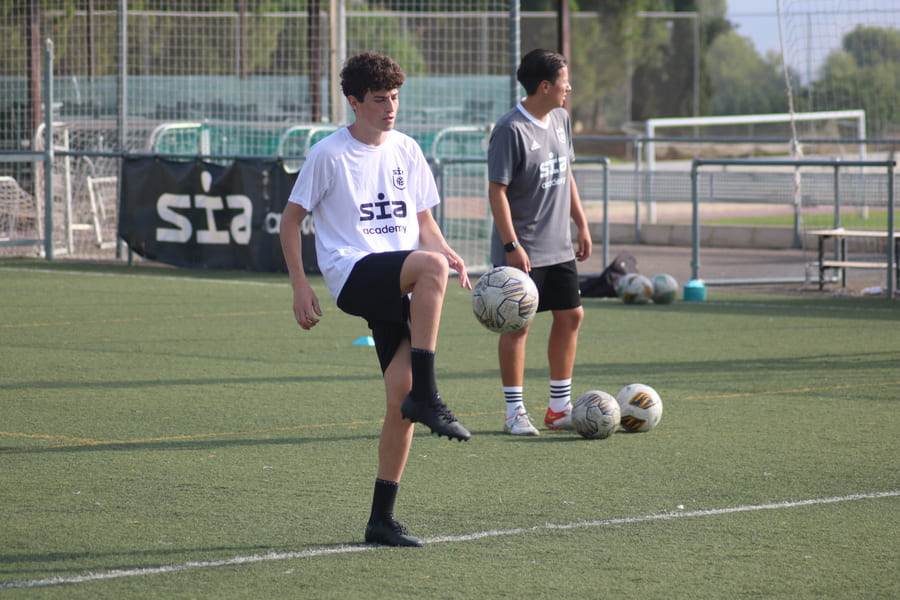
Soccer Technical Skills: The Foundations of Better Football
Strong technical skills help footballers make the most of every moment on the pitch. Whether a player is taking their first touch or competing in a match, being comfortable with the ball can improve confidence, decision-making and teamwork. These abilities are developed through regular, purposeful practice—not just through playing matches.
What are technical skills?
Technical skills are the actions players use to control and move the ball. They include passing, receiving, dribbling, shooting and defending. Good technique gives players more options, helping them respond calmly when space is limited or opponents are applying pressure.
First touch and ball control
A good first touch prepares the ball for the next action. Rather than simply stopping it, players can guide it into space, away from a defender or towards a passing option. Practise receiving the ball with different parts of both feet, as well as the thigh and chest where appropriate.
Players should try to look up before the ball arrives, so they have an idea of what to do next. This habit links technical ability with awareness and helps make possession more effective.
Passing and receiving
Accurate passing depends on technique, timing and communication. For a short pass, players can place their standing foot beside the ball and use the inside of the other foot to direct it towards a team-mate. The weight of the pass matters: it should be firm enough to reach its target, but easy to control.
Practising with both feet can make players more adaptable. Simple passing exercises can also be made more challenging by adding movement, limiting the number of touches or introducing a defender.
Dribbling and changing direction
Dribbling allows a player to carry the ball into space or move past an opponent. Close control is useful in crowded areas, while slightly bigger touches can help a player accelerate into open space. Effective dribbling combines balance, awareness and changes of speed—not just a collection of tricks.
Players can practise moving the ball with different parts of the foot, turning in both directions and changing pace. Keeping the head up as much as possible helps them spot team-mates, opponents and open space.
Shooting and finishing
Good finishing begins with balance and a clear view of the target. Players should practise striking the ball with different parts of the foot and from a range of angles. Accuracy is important, so shooting practice should not focus only on power.
For more realistic practice, players can receive a pass, take a touch and shoot, or finish after a short dribble. Working on both feet can give them more options in front of goal.
Defensive technique
Technical ability is just as important when defending. Players need to stay balanced, watch the ball and adjust their position without rushing into a challenge. Learning to intercept passes, block shots and tackle safely helps a team regain possession.
Good defending also involves communication and support. Players can work together to close space, cover team-mates and guide opponents away from dangerous areas.
How to practise effectively
- Practise little and often, focusing on quality rather than rushing through repetitions.
- Use both feet to build confidence and versatility.
- Start with simple exercises, then add movement, decisions or pressure.
- Keep your head up and practise noticing what is happening around you.
- Ask a coach or team-mate for constructive feedback.
- Warm up before training and use equipment and spaces safely.
Developing skills over time
Technical skills improve with patience. Players will make mistakes as they learn, but each practice session is an opportunity to understand the ball better and try something new. With consistent training, encouragement and a willingness to learn, young footballers can become more confident and effective in every area of the game.
Mastering Football: Essential Technical Skills and Tips for Improvement
- What are the most important technical skills in football?
- How can I improve my first touch and ball control?
- How can I become a better passer with both feet?
- What drills can help improve dribbling and close control?
- How can I improve my shooting accuracy and finishing?
- How often should I practise football technical skills?
What are the most important technical skills in football?
The most important technical skills in football are ball control, passing, receiving, dribbling, shooting and tackling. A strong first touch helps players keep possession and prepare for their next move, while accurate passing and good movement support effective teamwork. Dribbling helps players carry the ball into space or beat an opponent, and shooting develops their ability to score. Defensive skills, such as tackling and intercepting, are also essential. Practising these skills with both feet can help players become more confident and versatile on the pitch.
How can I improve my first touch and ball control?
Improve your first touch and ball control by practising regularly with both feet and using different parts of your body, such as your instep, outside of the foot, thigh and chest. Ask a partner to pass the ball at varying speeds and angles, and focus on cushioning it into space rather than simply stopping it. Before the ball arrives, glance around to spot your next option, then try to keep your head up as you control it. Start with simple drills and gradually add movement or pressure from a defender.
How can I become a better passer with both feet?
To become a better passer with both feet, practise regularly with each foot, starting with short, simple passes against a wall or to a team-mate. Focus on your balance, placing your standing foot beside the ball and using the inside of your foot to guide the pass. Begin at a comfortable distance, then gradually increase the range and practise passing while moving or under light pressure. Give your weaker foot extra practice, but keep working on both, and aim for accuracy and a good first touch rather than power.
What drills can help improve dribbling and close control?
Dribbling and close control improve with regular practice using both feet. Try weaving through cones, keeping the ball close with small touches, then repeat the course using your weaker foot. Practise turning sharply around markers and changing pace after each turn. For a more realistic challenge, add a partner who applies gentle pressure or play a small-sided game in a tight space. Keep your head up between touches so you can spot space and make decisions, not just watch the ball.
How can I improve my shooting accuracy and finishing?
Improve shooting accuracy and finishing by practising regularly with a focus on placement rather than power. Work on striking the ball with both feet, keeping your head steady and your body balanced, and aiming for specific areas of the goal. Practise from different angles and distances, and include realistic situations such as receiving a pass, taking a touch or shooting under pressure. Over time, these exercises can help you finish with greater confidence during matches.
How often should I practise football technical skills?
For steady progress, aim to practise football technical skills several times a week, even if each session is brief. Short, focused sessions of 15–30 minutes can be effective when you work on specific skills, such as first touch, passing or dribbling. Balance individual practice with team training and matches, and allow time for rest and recovery. Consistency matters more than doing too much at once, so choose a routine that fits your age, experience and schedule.
Tags: accuracy, awareness, ball control, communication, confidence, decision-making, defensive technique, dribbling, finishing, first touch, football skills, footwork, intercepting passes, passing, player development, possession, receiving, shooting, soccer practice, soccer technical skills, tackling, teamwork, training drills, young footballers