
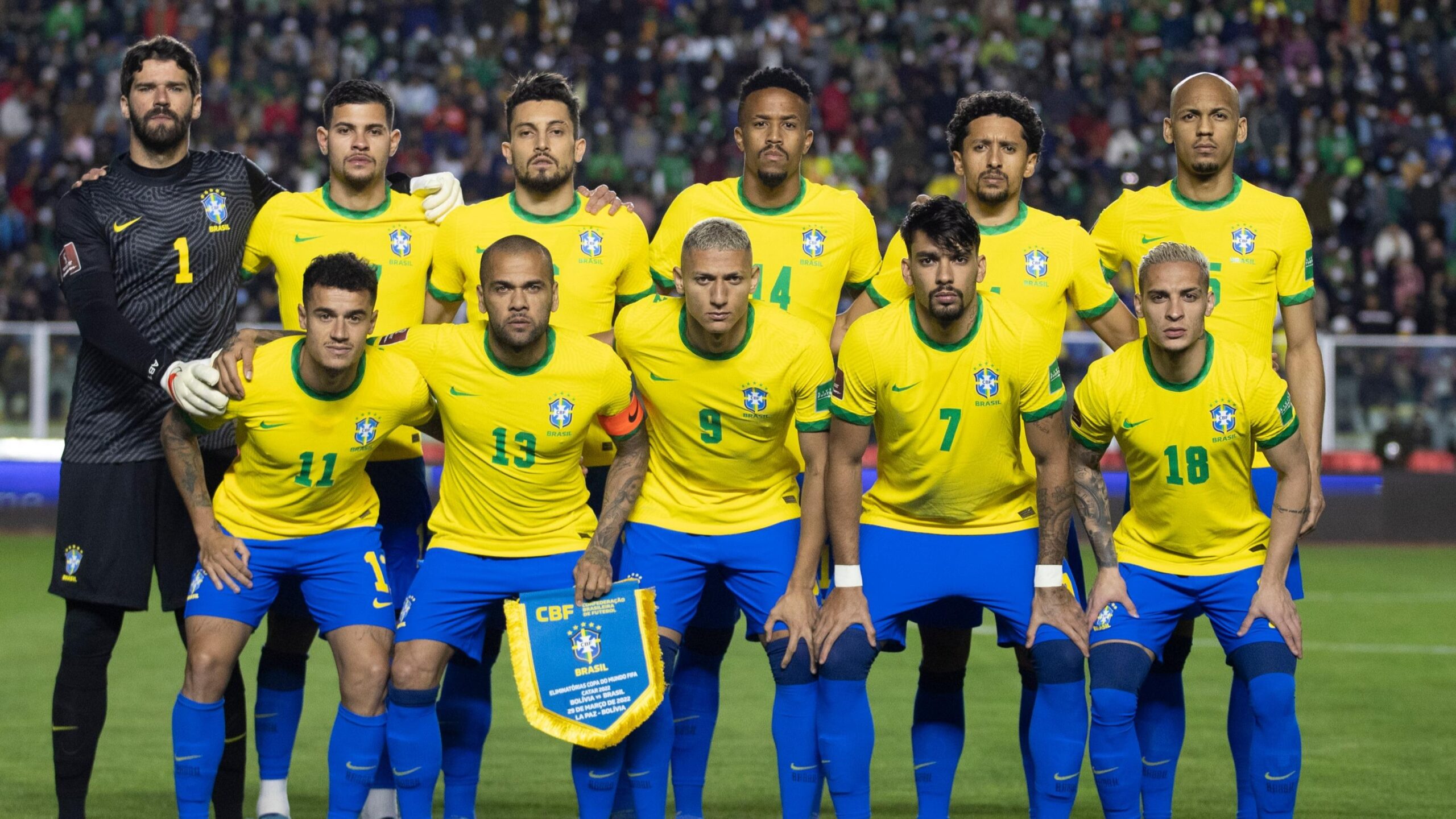
Brazil Soccer: A Rich Footballing Tradition
Brazil is one of the world’s most celebrated footballing nations. Known for its passionate supporters, remarkable players and distinctive style of play, the country has helped shape the history of the game. In the UK, the sport is usually called football, but “Brazil soccer” remains a popular search term for people looking to learn about the Brazilian game.
A history of success
Football arrived in Brazil in the late 19th century and quickly became part of the country’s sporting culture. Brazil’s national team, often known as A Seleção, has enjoyed extraordinary success on the international stage. It has won the men’s FIFA World Cup five times, more than any other nation, with victories in 1958, 1962, 1970, 1994 and 2002.
The 1958 and 1970 teams are especially admired for their skill and attacking flair. The 1970 side, led by players including Pelé, Jairzinho and Carlos Alberto, is often remembered as one of the greatest teams in the history of football.
Brazilian style of play
Brazilian football is widely associated with creativity, technical ability and expressive attacking play. Players are often celebrated for close control, quick footwork and the confidence to take on opponents. This approach is sometimes linked with jogo bonito, a Portuguese phrase meaning “the beautiful game”.
That reputation does not mean Brazilian football is only about individual flair. Modern teams also place great emphasis on organisation, fitness and tactical discipline. The country’s football culture combines those qualities with a long-standing appreciation for skill and improvisation.
Players who inspired generations
Brazil has produced many of football’s most influential players. Pelé became a global sporting icon, while Zico, Romário and Ronaldo helped define different eras of the men’s game. More recent stars such as Ronaldinho, Kaká and Neymar have brought Brazilian flair to audiences around the world.
Brazil’s women’s national team has also made a significant contribution to the sport. Marta, widely regarded as one of the greatest players in women’s football, has inspired generations of players and supporters. The women’s game continues to grow across Brazil, supported by increased visibility and investment.
Clubs and supporters
Club football is central to Brazil’s sporting life. Teams such as Flamengo, Corinthians, Palmeiras, São Paulo, Santos and Grêmio have large, devoted followings and long histories of domestic competition. Matches can attract intense support, with colourful displays, songs and strong local rivalries adding to the atmosphere.
Brazilian clubs have also helped develop talent for leagues around the world. Many players begin their careers in domestic academies before moving abroad, while others build celebrated careers at home.
Football’s place in Brazilian culture
Football is more than a sport in Brazil: it is a shared passion that brings communities together. From informal games on beaches and streets to major stadium fixtures, the game is part of everyday life for many people. It reflects the country’s regional diversity and gives supporters a powerful sense of identity and belonging.
Brazil’s football story continues to evolve. Its teams face new challenges, its players influence the global game, and its supporters remain among the most passionate in the world. For anyone interested in the history, culture and excitement of football, Brazil offers an endlessly compelling story.
Mastering Brazilian Football: 9 Essential Tips for Emulating the Samba Style
- Learn Brazil’s famous 4-2-3-1 formation.
- Watch how Brazilian wingers take on defenders.
- Practise quick, close control in tight spaces.
- Use feints and changes of pace to beat opponents.
- Build strong passing links between midfield and attack.
- Study Brazil legends such as Pelé, Marta and Ronaldinho.
- Keep your head up before receiving the ball.
- Train both-footed shooting and passing.
- Enjoy the flair, but always play as a team.
Learn Brazil’s famous 4-2-3-1 formation.
Learn Brazil’s 4-2-3-1 formation to understand how the team can balance defensive cover with attacking flair. Two holding midfielders protect the back four and help move the ball forward, while three creative players operate behind a lone striker. Watch how the wide attackers combine with the full-backs and how the central playmaker finds space between the opposition’s lines. The formation is flexible, so players may change positions as Brazil builds an attack or loses possession.
Watch how Brazilian wingers take on defenders.
Watch how Brazilian wingers take on defenders: they often use quick changes of pace, close control and clever body feints to create space before accelerating past their opponent. Notice how they keep the ball close, look for gaps and decide whether to beat a defender, pass or cut inside. These skills show that effective dribbling is not just about tricks—it also depends on timing, balance and reading the game.
Practise quick, close control in tight spaces.
Practise quick, close control in tight spaces to develop the confidence and composure often associated with Brazilian football. Set up a small area with cones or markers and work on keeping the ball close as you turn, change direction and move away from pressure. Use both feet, keep your head up and gradually increase your speed. Regular practice can sharpen your touch, balance and ability to find space during a match.
Use feints and changes of pace to beat opponents.
To beat opponents in Brazilian-style football, use feints and changes of pace to keep defenders guessing. A quick shoulder drop or step-over can make an opponent shift their weight, creating space to move past them. Follow the feint with a sudden burst of speed, then adjust your pace again to stay in control of the ball. Practise these moves in small-sided games, where quick decisions and close control are essential.
Build strong passing links between midfield and attack.
Build strong passing links between midfield and attack to help the team move forward with confidence and create chances. Encourage midfielders to offer quick support, vary their runs and look for crisp passes into attackers’ feet or into space. Good communication and well-timed movement can help the team keep possession, break through defensive lines and make the most of Brazil’s creative attacking play.
Study Brazil legends such as Pelé, Marta and Ronaldinho.
Study Brazilian legends such as Pelé, Marta and Ronaldinho to understand the skill, creativity and confidence that have helped shape the country’s footballing identity. Watch how Pelé combines movement and finishing, how Marta uses her vision and technique to influence a match, and how Ronaldinho turns close control and quick thinking into moments of brilliance. Their styles are different, but each offers valuable lessons in decision-making, teamwork and enjoying the game.
Keep your head up before receiving the ball.
Keep your head up before receiving the ball so you can see where your teammates, opponents and open spaces are. A quick look around helps you decide what to do next—such as passing, turning or moving into space—before the ball arrives. This awareness gives you more time on the ball and helps you make confident, effective decisions.
Train both-footed shooting and passing.
Training to shoot and pass with both feet can make you a more versatile Brazilian footballer, helping you keep possession and create chances when an opponent blocks your preferred side. Practise short and long passes, first-time strikes and shots from different angles with your weaker foot, then repeat the drills with your stronger one to build balance and consistency. Start slowly, focus on good technique and accuracy, and gradually increase the pace as your confidence grows.
Enjoy the flair, but always play as a team.
Brazilian football is famous for its flair, creativity and confident skills, so enjoy expressing yourself on the pitch. But the best moments come when individual talent supports the whole team: pass to a free player, communicate with your teammates and work together in attack and defence. Play with imagination, but remember that teamwork is what turns flair into success.
Tags: 4-2-3-1 formation, a seleção, attacking play, brazil national team, brazil soccer, brazilian clubs, brazilian football, brazilian football culture, brazilian football history, brazilian football players, brazilian style of play, corinthians, defensive cover, fifa world cup, flamengo, holding midfielders, jogo bonito, marta, neymar, palmeiras, pelé, santos, tactical flexibility