
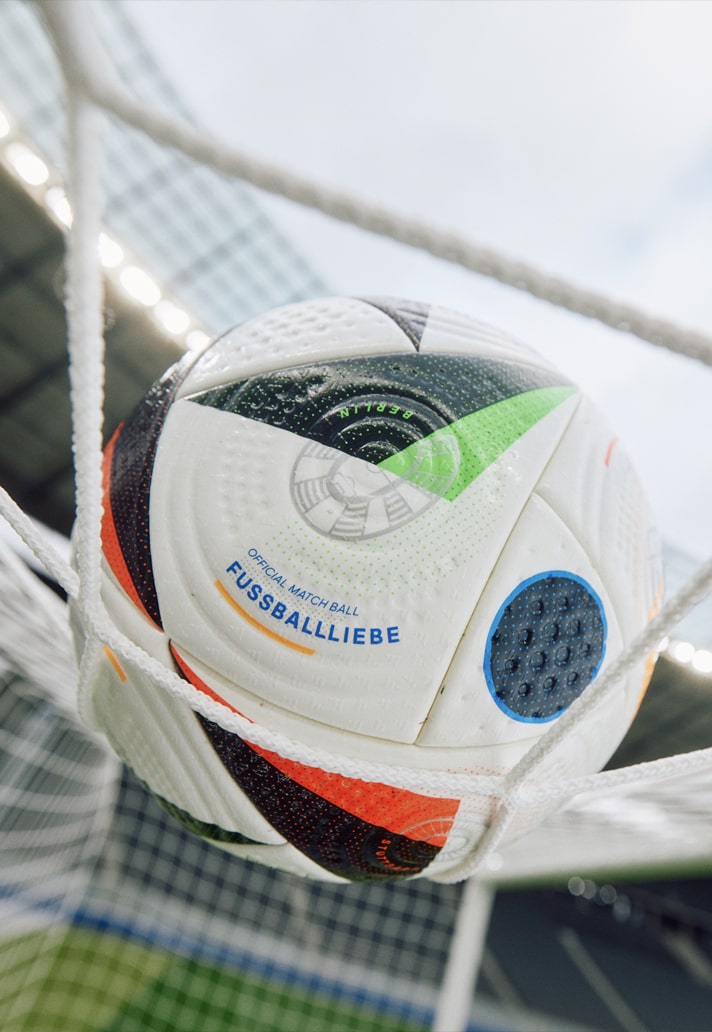
Adidas Soccer Ball: Choosing the Right Ball for Your Game
An adidas soccer ball—known in the UK as an adidas football—is a familiar sight on pitches around the world. The brand makes balls for different playing levels, surfaces and budgets, from match-day models to durable options for training and casual kickabouts. Choosing the right one depends on where and how often you play.
What to look for in an adidas football
Adidas footballs come in a range of designs and constructions. The materials, panel shape and surface texture can vary between models, so it is worth checking the product details rather than assuming every ball will feel the same. These features can affect how a ball feels underfoot and how it performs when passing, shooting or controlling it.
- Intended use: Match balls are designed for competitive play, while training balls are generally made for regular practice. Some models are suited to casual use.
- Construction: A ball’s outer casing, panels and bladder all contribute to its feel and durability. The construction varies by model.
- Playing surface: Consider whether you will use the ball on grass, artificial turf or a harder surface. A ball intended for one setting may not be the best choice for another.
- Size: Football sizes are selected according to age group and competition rules. Check the requirements of your club or league before buying.
- Budget: Prices vary widely. A high-end match ball may offer features aimed at competitive players, while a more affordable training ball may be a practical choice for frequent sessions.
Match balls and training balls
If you play in organised matches, check the competition’s ball requirements before choosing a match ball. Match models are made for competitive use, but they are not necessarily the best option for every training session. Repeated practice can put considerable wear on a football, particularly on rough or abrasive surfaces.
For regular drills, a training ball can be a sensible choice. It is designed with practice in mind and may be more suitable for frequent use than a premium match model. For informal games, look for a ball that suits the playing surface and feels comfortable for the players using it.
Finding the right size
Football sizes are commonly chosen by age group, but requirements can differ between leagues and competitions. Younger players often use smaller balls, while older age groups generally move to larger sizes. Before purchasing, check the guidance from your club, coach or competition organiser. Using the correct size can make practice more appropriate and enjoyable.
How to care for your ball
Good care can help an adidas football stay in better condition. Inflate it to the pressure shown on the ball, using a suitable pump and needle. Avoid overinflating, and moisten the needle before inserting it into the valve. After use, wipe away mud and dirt, then allow the ball to dry naturally. Store it somewhere cool and dry, away from prolonged direct sunlight.
It is also worth checking the ball’s condition regularly. Look for damage to the casing, seams or valve, and make sure it retains air properly. Follow the care and inflation instructions supplied with the specific model.
Choosing with confidence
The best adidas soccer ball is the one that suits your game. Consider the level of play, frequency of use, surface, size and budget before making a decision. Checking the product specifications—and any requirements set by your club or league—can help you choose a ball that is right for training, match day or a weekend kickabout.
Top 7 Tips for Choosing and Maintaining Your Adidas Football
- Choose the right size for the player’s age.
- Check the ball’s size and weight before buying.
- Inflate it to the pressure printed near the valve.
- Use it on the surface it’s designed for.
- Keep it clean with a damp cloth.
- Dry it before storing it away.
- Check for wear and air leaks regularly.
Choose the right size for the player’s age.
Choose a football size that’s appropriate for the player’s age and level of play. Younger players typically use smaller, lighter balls, while older age groups move on to larger sizes as they develop. Size guidance can vary between clubs and competitions, so check with the coach or league before buying an adidas football.
Check the ball’s size and weight before buying.
Before buying an adidas football, check that its size and weight are suitable for the player and type of game. Footballs come in different sizes for different age groups, and leagues or clubs may specify which one to use. Choosing the right ball can make it easier to practise skills comfortably and meet match requirements, so check the product details and your competition’s guidance.
Inflate it to the pressure printed near the valve.
Inflate your adidas football to the pressure printed near the valve. Using the recommended pressure helps the ball keep its intended feel and performance, while avoiding overinflation that could put unnecessary strain on its panels and seams. Check the pressure with a suitable gauge and top it up when needed.
Use it on the surface it’s designed for.
Use your adidas football on the surface it’s designed for to help maintain its performance and durability. A ball made for grass may wear more quickly on hard ground, while a model designed for artificial turf or indoor play may feel different on natural grass. Check the product details before use, and choose a ball suited to your regular playing surface.
Keep it clean with a damp cloth.
Keep your adidas football clean by wiping it with a damp cloth after use. This helps remove mud and surface dirt without exposing the ball to harsh cleaning products. Let it air-dry naturally before storing it, and avoid placing it near direct heat.
Dry it before storing it away.
After playing in wet weather, dry your adidas football before putting it away. Wipe off mud and moisture with a clean cloth, then leave it to air-dry naturally in a well-ventilated spot. Avoid radiators and other direct heat sources, which may damage the ball’s materials. Storing it dry helps keep it in good condition and ready for your next game.
Check for wear and air leaks regularly.
Check your adidas football regularly for signs of wear, such as scuffs, splits or damage around the seams and valve. Give it a quick check for air leaks too: if it loses pressure soon after inflation, inspect the valve and surface for damage. Keeping the ball properly inflated and dealing with problems early can help it perform well and last longer.
Tags: adidas soccer ball, age-appropriate football size, ball care, ball durability, ball inflation, casual kickabout, club requirements, competitive play, football construction, football size, league requirements, match ball, playing surface, soccer training, training ball