
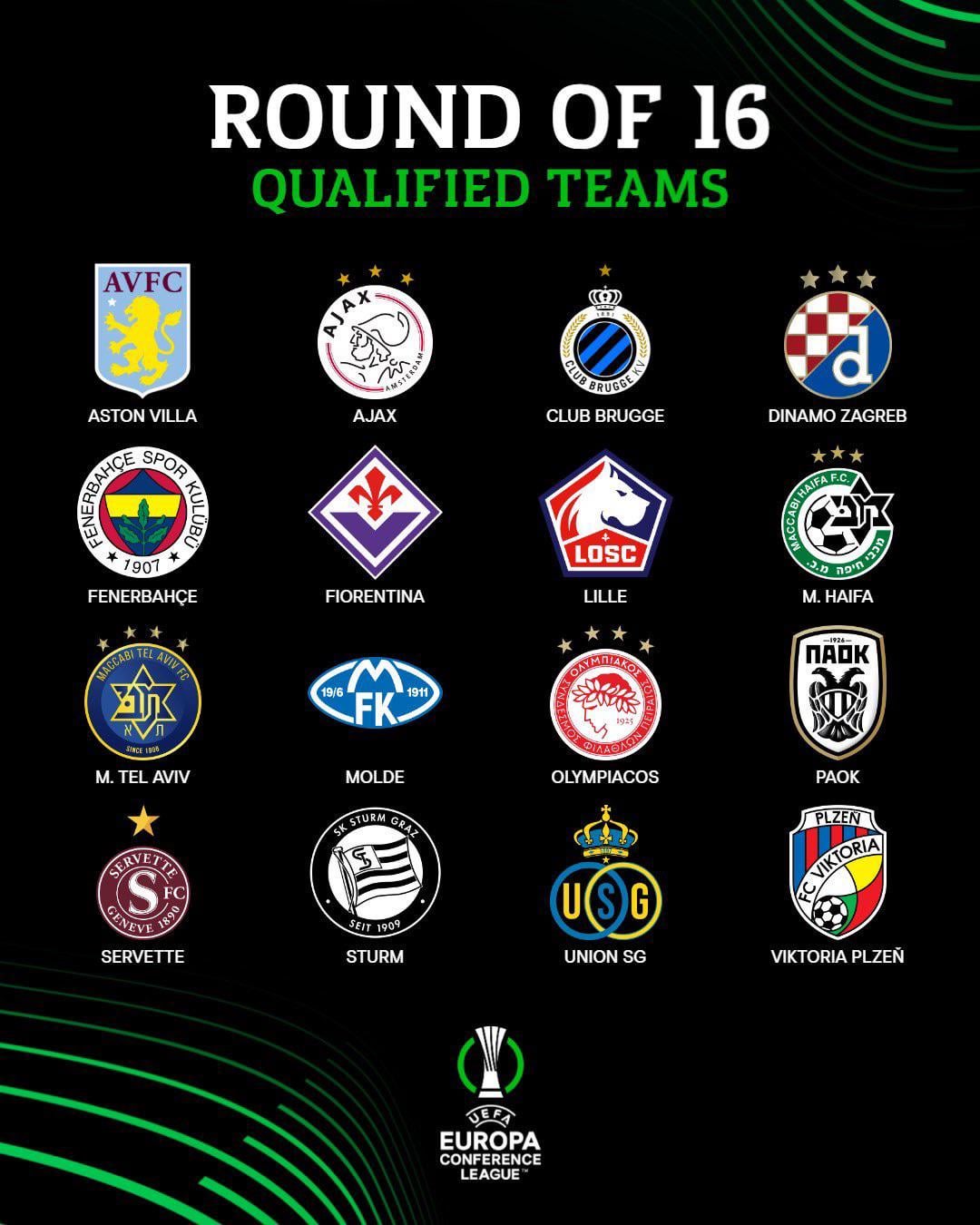
Europa Conference League Teams: How Clubs Qualify and Compete
The teams in the UEFA Europa Conference League change from season to season. Clubs earn a place through their domestic league position or cup results, while others enter the competition after qualifying rounds or transfer from the UEFA Europa League. As a result, the tournament brings together sides from across Europe, including established names and clubs making their first appearance in a major UEFA competition.
What is the Europa Conference League?
Launched in 2021 as the UEFA Europa Conference League, the competition was renamed the UEFA Conference League from the 2024–25 season. It is UEFA’s third-tier men’s club competition, alongside the Champions League and Europa League. Its aim is to give more clubs from more countries the chance to compete in European football.
How do teams qualify?
Qualification places are allocated to national associations according to UEFA’s access list. The number of places available to each country, and the stage at which its clubs enter, depends largely on the association’s ranking and the domestic results of its teams.
Depending on their country, clubs may qualify by finishing in a certain position in the league or by winning a domestic cup. Many teams must first come through qualifying rounds. Some clubs also reach the Conference League after being eliminated from Europa League qualifying.
How many teams take part?
Since the 2024–25 season, the competition’s league phase has featured 36 teams. Each club plays six matches against six different opponents, with three at home and three away. The league table then determines who advances:
- The top eight teams qualify directly for the round of 16.
- Teams placed ninth to 24th enter a knockout play-off round.
- Teams finishing 25th or lower are eliminated.
After the league phase, the tournament continues through two-legged knockout rounds, followed by a single-match final.
Which clubs have played in the competition?
The line-up varies each year, but the tournament has featured clubs from across the continent. Past participants include Roma, West Ham United, Fiorentina, Aston Villa, Chelsea and Olympiacos, alongside teams from countries such as Norway, Belgium, Turkey, the Czech Republic and Cyprus.
These are examples of previous participants, not a list of the current season’s teams. For the latest fixtures and confirmed line-up, check UEFA’s official competition information, as qualification and league-phase places change every year.
Why the teams make the competition interesting
The Conference League offers a mix of familiar European clubs and new challengers. Supporters can see teams face opponents they might not meet in their domestic competitions, while clubs from smaller leagues get valuable experience on a wider stage. That variety is a key part of the tournament’s appeal.
For fans looking up Europa Conference League teams, the essential point is that there is no permanent list: each season’s participants are shaped by domestic results, UEFA’s qualification system and the outcome of the qualifying rounds.
6 Tips for Predicting Europa Conference League Results
- Check each team’s recent form before predicting results.
- Look at home and away records separately.
- Compare squad depth, especially during busy weeks.
- Watch for key injuries and suspensions.
- Consider travel distance when assessing away teams.
- Follow group standings to spot teams under pressure.
Check each team’s recent form before predicting results.
Before predicting a Europa Conference League result, check each team’s recent form, including its latest wins, draws and defeats. Look at performances in both domestic and European matches, as well as goals scored and conceded, to get a clearer sense of how confidently a side is playing. Keep in mind that form is only one factor: injuries, suspensions, squad rotation and home advantage can also influence the outcome.
Look at home and away records separately.
When assessing Europa Conference League teams, look at their home and away records separately. Some clubs are formidable in front of their own supporters but less effective on the road, while others perform consistently in both settings. Comparing results, goals scored and conceded in each situation can give a clearer picture of a team’s strengths and help you judge how it might fare in a particular fixture.
Compare squad depth, especially during busy weeks.
When comparing Europa Conference League teams, look beyond the starting eleven and consider squad depth, particularly during busy weeks with domestic and European fixtures close together. Clubs with strong cover in key positions can rotate players without a major drop in quality, helping them manage fatigue, injuries and suspensions. A deeper squad may prove decisive as the season progresses and the knockout rounds approach.
Watch for key injuries and suspensions.
Keep an eye on key injuries and suspensions when assessing Europa Conference League teams, as the absence of an important player can affect a side’s tactics, confidence and chances of progressing. Check for the latest team news before a match, particularly for goalkeepers, defenders and influential attackers, and remember that suspensions may result from accumulated bookings or a red card.
Consider travel distance when assessing away teams.
When assessing Europa Conference League teams, consider the distance they must travel for away matches. Long journeys can mean less time to rest and prepare, while unfamiliar climates, time zones and travel schedules may affect performance. These factors are only part of the picture, though, so weigh them alongside form, squad depth and the importance of the fixture.
Follow group standings to spot teams under pressure.
Keep an eye on the Conference League standings to see which teams are under pressure as the competition progresses. Clubs near the qualification cut-off may need a win to stay in contention, while those close to the bottom could be fighting to avoid elimination. Checking the table alongside upcoming fixtures and goal difference can help you understand what each team needs from its next match.
Tags: 36 teams, aston villa, champions league, chelsea, club form, domestic cup results, domestic league position, europa conference league teams, european football, final, goals scored and conceded, home advantage, home and away records, injuries, knockout play-offs, league phase, national associations, olympiacos, qualifying rounds, roma, round of 16, squad rotation, suspensions, team qualification, uefa access list, uefa conference league, uefa europa league, west ham united, wins draws and defeats