
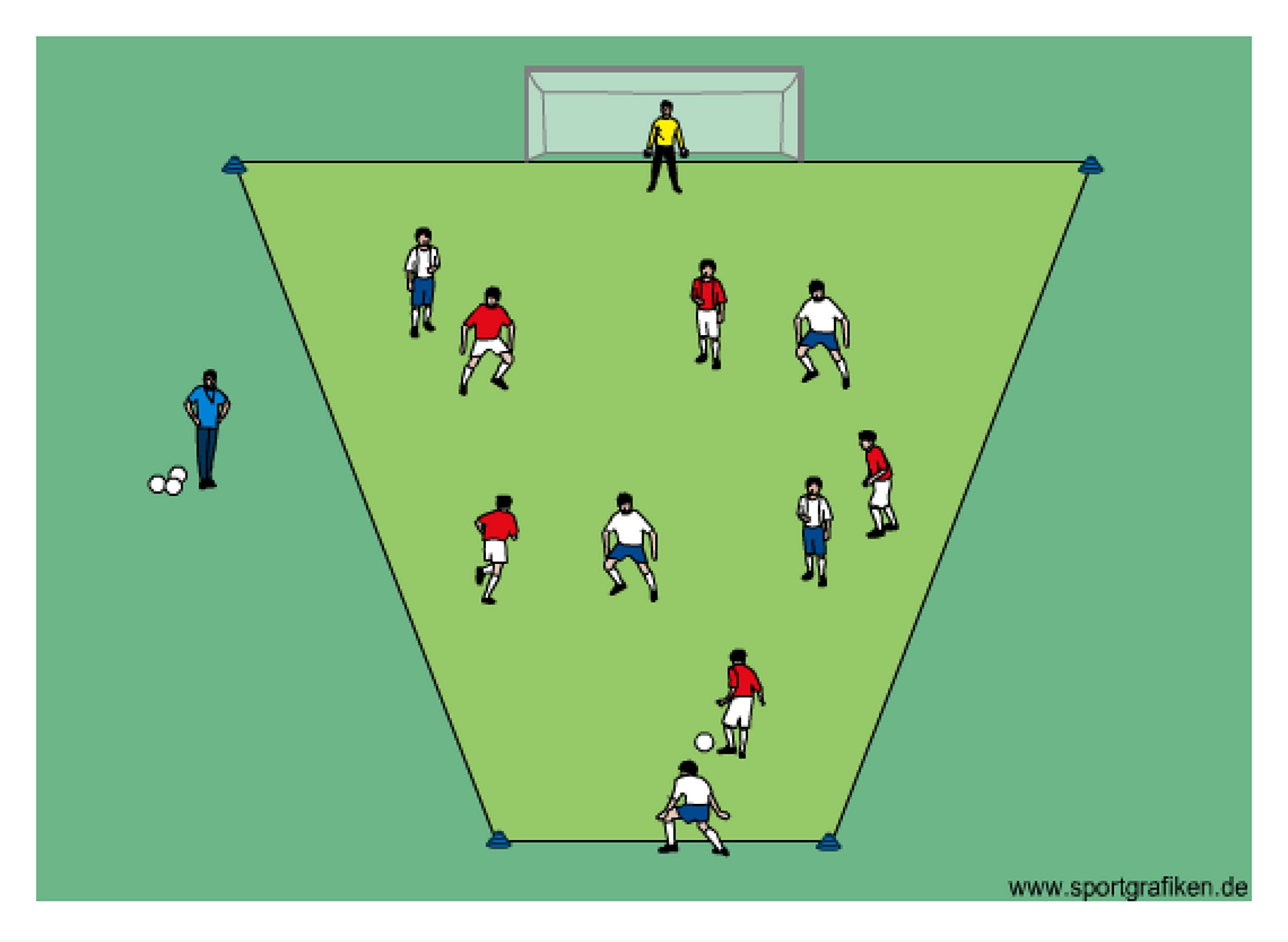
Defensive Soccer Drills: Enhancing Skills and Team Performance
Defence is a crucial aspect of any successful soccer team. Strong defensive skills not only prevent goals but also create a solid foundation for effective counterattacks. To improve defensive capabilities, teams often incorporate a variety of drills into their training sessions.
The Importance of Defensive Drills
Defensive drills are essential for enhancing players’ individual skills as well as improving overall team performance. These drills focus on key aspects such as positioning, tackling, marking, communication, and decision-making under pressure. By practising these skills regularly, players can become more confident and effective defenders on the field.
Popular Defensive Soccer Drills
1v1 Defending: This drill focuses on improving a player’s ability to defend against an opponent in a one-on-one situation. Players work on maintaining proper body positioning, staying goal-side of the attacker, and timing tackles effectively.
Zonal Marking: In this drill, players learn how to defend specific areas of the field as a unit. They practice shifting positions, covering passing lanes, and providing support to teammates in their assigned zones.
Pressing and Closing Down: This drill teaches players how to press the opposition effectively and close down space quickly. Players work on coordinated pressing movements to disrupt the opponent’s build-up play.
Tips for Effective Defensive Training
To maximise the benefits of defensive drills, coaches should consider the following tips:
- Vary Drill Intensity: Adjust the intensity of drills to challenge players at different skill levels and keep them engaged.
- Provide Feedback: Offer constructive feedback during drills to help players understand areas for improvement.
- Encourage Communication: Emphasise the importance of communication among defenders to coordinate movements and maintain a strong defensive line.
- Reinforce Positive Habits: Highlight good defensive habits such as anticipation, aggressiveness, and recovery runs to instil them in players’ gameplay.
In Conclusion
Incorporating defensive soccer drills into training sessions is essential for developing well-rounded players and building a cohesive defensive unit within a team. By focusing on fundamental skills and tactical awareness through regular practice, teams can enhance their defensive capabilities and improve overall performance on the pitch.
Essential Defensive Soccer Drills: FAQs on Benefits, Techniques, and Best Practices
- What are the key benefits of incorporating defensive soccer drills into training sessions?
- How can defensive drills help improve individual players’ skills?
- What are some common types of defensive soccer drills used by coaches?
- How often should teams practice defensive drills to see improvement?
- What role does communication play in effective defensive drill execution?
- Are there specific drills that focus on goalkeeper involvement in the defence?
- How can coaches tailor defensive drills to suit different skill levels within a team?
- What are some tips for ensuring that players retain and apply lessons learned from defensive drills during matches?
What are the key benefits of incorporating defensive soccer drills into training sessions?
Incorporating defensive soccer drills into training sessions offers a range of key benefits for players and teams. Firstly, these drills help players develop essential defensive skills such as positioning, tackling, marking, and communication, which are crucial for effective defending on the field. By practising these skills regularly, players can enhance their individual capabilities and contribute to a stronger defensive unit. Additionally, defensive drills promote teamwork and coordination among players, as they learn to work together to maintain a solid defensive structure. Furthermore, these drills provide opportunities for players to improve decision-making under pressure and develop a better understanding of defensive tactics and strategies. Overall, incorporating defensive soccer drills into training sessions not only enhances players’ defensive abilities but also contributes to improved team performance and success on the pitch.
How can defensive drills help improve individual players’ skills?
Defensive drills play a crucial role in enhancing individual players’ skills by focusing on key aspects of defending such as positioning, tackling, marking, communication, and decision-making under pressure. Through regular practice of these drills, players develop a deeper understanding of defensive principles and techniques. By honing their abilities in one-on-one defending, zonal marking, pressing, and closing down, players improve their agility, timing, anticipation, and spatial awareness on the field. Additionally, defensive drills help players build confidence in their defensive capabilities and foster a sense of teamwork as they learn to support and communicate effectively with their teammates. Overall, engaging in defensive drills is instrumental in shaping well-rounded defenders who are equipped to contribute positively to their team’s performance.
What are some common types of defensive soccer drills used by coaches?
Coaches often incorporate a variety of defensive soccer drills to enhance players’ skills and team performance. Some common types of defensive drills include 1v1 defending exercises, where players work on maintaining proper positioning and timing tackles effectively against an opponent. Zonal marking drills focus on teaching players how to defend specific areas of the field as a unit, covering passing lanes and providing support to teammates in their assigned zones. Pressing and closing down drills are also popular, helping players learn how to press the opposition effectively and close down space quickly. By practising these types of defensive drills regularly, players can improve their defensive capabilities and contribute to a more solid and cohesive defensive unit on the field.
How often should teams practice defensive drills to see improvement?
To see noticeable improvement in defensive skills, teams should aim to incorporate defensive drills into their training sessions regularly. The frequency of practice can vary depending on the team’s schedule and goals, but a general recommendation is to include defensive drills at least two to three times per week. Consistent practice allows players to develop muscle memory, improve decision-making under pressure, and enhance their overall defensive capabilities. By dedicating regular time to defensive drills, teams can work towards building a strong and cohesive defensive unit that can effectively thwart opponents’ attacks and contribute to the team’s success on the field.
What role does communication play in effective defensive drill execution?
Communication plays a pivotal role in the execution of effective defensive drills in soccer. Clear and constant communication among defenders is essential for coordinating movements, marking opponents, and maintaining a solid defensive shape. By effectively communicating with teammates during drills, players can ensure proper positioning, anticipate potential threats, and make timely decisions to thwart attacks. Communication also fosters teamwork and cohesion within the defensive unit, enabling players to work together seamlessly to protect their goal and support each other when under pressure. In essence, good communication is the key to successful defensive drill execution as it enhances overall defensive performance and contributes to a stronger team defence.
Are there specific drills that focus on goalkeeper involvement in the defence?
When it comes to defensive soccer drills, there are indeed specific exercises that focus on goalkeeper involvement in the defence. These drills are designed to enhance the goalkeeper’s ability to communicate effectively with defenders, organise the defensive line, and make critical decisions under pressure. Goalkeeper-centric drills often include scenarios that simulate game situations where the goalkeeper needs to act as the last line of defence, such as dealing with crosses, one-on-one situations, and set pieces. By incorporating these specialised drills into training sessions, teams can improve their defensive cohesion and overall performance on the field.
How can coaches tailor defensive drills to suit different skill levels within a team?
Coaches can tailor defensive drills to suit different skill levels within a team by adjusting the complexity, intensity, and focus of the drills. For less experienced players, coaches may start with basic defensive fundamentals such as body positioning and marking before progressing to more advanced techniques like intercepting passes or executing double-team strategies. Additionally, coaches can provide individualised feedback and guidance during drills to help players at varying skill levels improve at their own pace. By customising defensive drills to meet the specific needs and abilities of each player, coaches can ensure that all team members are challenged and supported in their development as defenders.
What are some tips for ensuring that players retain and apply lessons learned from defensive drills during matches?
Ensuring that players retain and apply lessons learned from defensive drills during matches is crucial for the overall success of a soccer team. One effective tip is to encourage players to visualise themselves executing the defensive strategies learned in drills during actual game situations. Repetition of key concepts and techniques in different scenarios can help reinforce learning and make it more likely for players to apply them instinctively during matches. Additionally, providing feedback and positive reinforcement when players successfully implement defensive tactics in games can boost their confidence and motivation to continue applying these lessons on the field. Consistent communication between coaches and players about the importance of transferring drill learnings into match situations can also help maintain focus and accountability during gameplay.
Tags: communication, decision-making under pressure, defence, defensive capabilities, defensive soccer drills, drills, enhancing skills, individual skills, marking, positioning, tackling, team performance