
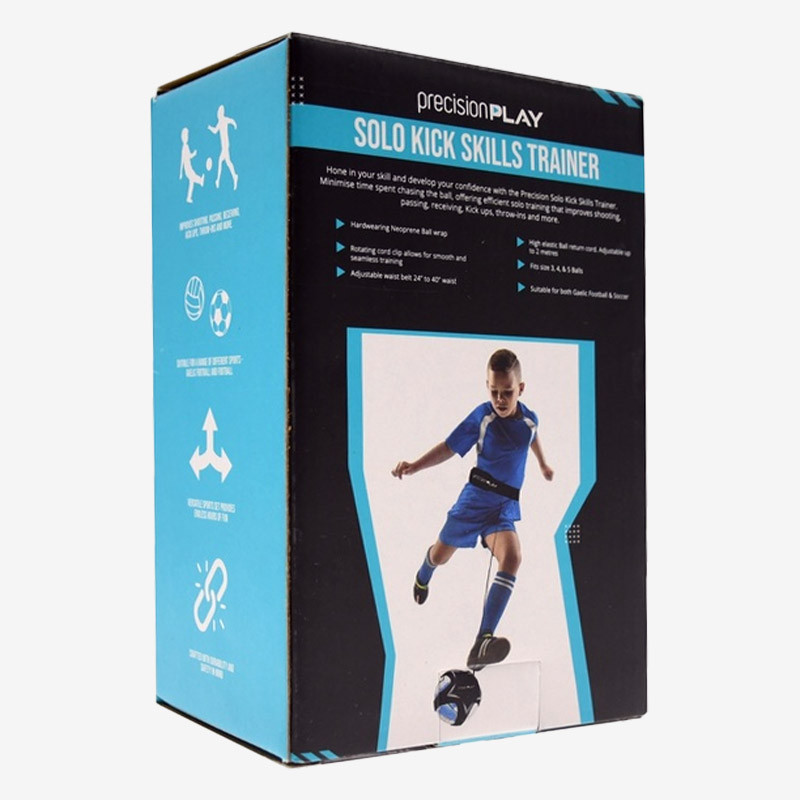
Football Kick Trainer: Improve Your Technique and Confidence
A football kick trainer is a useful piece of equipment for players who want to practise their ball control, passing and shooting. It can help make individual training sessions more engaging, particularly when a team-mate or coach is not available. From simple rebounders to adjustable kicking straps, different trainers suit different ages, abilities and training goals.
What is a football kick trainer?
The term “football kick trainer” can refer to several types of equipment designed to help players practise kicking a ball. Some models attach the ball to a cord or waist belt, allowing it to return after each kick. Others use a rebound net or a wall-like surface to send the ball back. Rebounders may also be used to practise passing, first touch and reaction time.
These trainers are generally intended to support practice, not replace coaching or team training. Used regularly and alongside good technique, they can provide a convenient way to get more touches on the ball.
Benefits of using a football kick trainer
- More individual practice: Players can repeat a movement without needing someone to retrieve the ball after every attempt.
- Improved ball control: Returning the ball encourages players to work on their first touch and prepare for the next action.
- Repetition of technique: Repeating passes and shots can help players become more consistent in their movement.
- Convenient training: Many trainers are portable and can be used in a garden, park or suitable training area.
- Flexible sessions: Players can practise at different speeds and adjust the difficulty to match their ability.
Types of football kick trainer
Ball-and-cord trainers
These usually secure a football to an elastic cord, which may be attached to a belt or another support. After the player kicks the ball, it returns on the cord. This can be useful for practising repeated strikes, juggling and basic ball control. Check that the cord is suitable for the player’s age and strength, and follow the manufacturer’s instructions.
Rebound nets
A rebound net returns the ball after it is kicked or passed against the surface. Depending on the design, it may offer different rebound angles or target areas. Rebound nets can be useful for practising passing accuracy, receiving the ball and reacting quickly.
Rebound boards and walls
A firm rebound board provides a consistent surface for passing drills. It can help players practise striking the ball cleanly and controlling it on the return. A suitable wall can serve a similar purpose, provided it is safe to use and permission has been granted where necessary.
How to choose the right trainer
Before buying a football kick trainer, consider what the player wants to practise. A ball-and-cord model may suit basic repetition and solo ball work, while a rebound net or board may be better for passing and first-touch drills.
- Age and ability: Choose equipment that the player can use comfortably and safely.
- Training goals: Look for features that support the skills the player wants to develop.
- Space: Check the dimensions and make sure there is enough room to use the trainer safely.
- Portability: If it will be carried to different locations, consider its weight and how easily it can be set up.
- Build quality: Look for durable materials, secure fixings and clear assembly instructions.
- Ball compatibility: Check whether the trainer includes a ball or is designed to work with a particular size.
Drills to try
First-touch and pass
Pass the ball against a rebounder or board using the inside of the foot. As it returns, control it with the first touch and pass it back. Practise with both feet, aiming for a steady rhythm rather than maximum power.
Target passing
Choose a target area on the rebound surface. Start close, then move further away as accuracy improves. Alternate between the left and right foot, and focus on directing the pass with a controlled follow-through.
Instep striking
Practise striking the ball with the laces, beginning at a comfortable distance. Concentrate on the run-up, body position and clean contact. Keep the session focused on technique rather than simply kicking as hard as possible.
Control and move
After receiving the returning ball, take a touch to one side and move into space before passing it back. This adds movement to the drill and encourages players to prepare for their next action.
Practise safely
Set up the trainer on a stable surface and check that there is enough space around it. Keep people, pets, windows and fragile objects clear of the practice area. Inspect cords, frames and fixings before use, and stop if any part appears damaged. Players should warm up before training and use a ball suited to their age and the playing surface.
Making the most of your training
A football kick trainer is most effective when it is used with a clear purpose. Set a small goal for each session, such as completing a set number of accurate passes with each foot, and take breaks when needed. Regular, focused practice can help players build confidence and become more comfortable on the ball, while coaching and match experience remain important parts of development.
Essential FAQs About Football Kick Trainers: A Comprehensive Guide
- What is a football kick trainer?
- How does a football kick trainer work?
- What skills can you practise with a football kick trainer?
- Is a football kick trainer suitable for beginners and children?
- How do you use a football kick trainer safely?
- What is the difference between a football kick trainer and a rebounder?
- How do you choose the right football kick trainer?
- Can you use a football kick trainer indoors?
- How often should you practise with a football kick trainer?
What is a football kick trainer?
A football kick trainer is a piece of equipment that helps players practise kicking and ball control on their own. It may use an elastic cord to return the ball after each kick, or a rebound net or board to send it back. Depending on the design, it can be used to work on passing, shooting, first touch and coordination.
How does a football kick trainer work?
A football kick trainer helps you practise kicking and ball control by returning the ball after each strike. Depending on the design, the ball may be attached to an elastic cord worn around the waist, or it may rebound from a net or board. This lets you repeat passes, shots and first-touch drills without needing someone to retrieve the ball each time. Follow the product instructions and practise in a clear, safe space.
What skills can you practise with a football kick trainer?
A football kick trainer can help you practise a range of skills, including passing accuracy, shooting technique, first touch, ball control and reaction time. Depending on the type of trainer, you can also work on using both feet, controlling the ball as it returns and building a steady rhythm through repetition. Start slowly and focus on good technique before increasing the pace or power.
Is a football kick trainer suitable for beginners and children?
Yes, a football kick trainer can be suitable for beginners and children when it is age-appropriate, easy to adjust and used under adult supervision. It offers a simple way to practise basic skills such as kicking, passing and ball control at a comfortable pace. Choose a lightweight trainer that fits the child’s size and ability, follow the manufacturer’s safety guidance, and make sure there is plenty of clear space for practice.
How do you use a football kick trainer safely?
To use a football kick trainer safely, set it up on stable, level ground and check that cords, straps, frames and fixings are secure and undamaged before each session. Leave plenty of clear space around the trainer, well away from people, pets, windows and other breakable objects, and follow the manufacturer’s age and use instructions. Warm up first, use a suitable ball and begin with controlled kicks rather than maximum power. Stop if the equipment shifts or shows signs of damage.
What is the difference between a football kick trainer and a rebounder?
A football kick trainer typically attaches the ball to an elastic cord or waist belt, so it returns to the player after each kick and is useful for practising repeated strikes, juggling and basic ball control. A rebounder is a frame with a net or board that sends a kicked or passed ball back, making it better suited to practising passing accuracy, first touch and reactions. The terms can sometimes be used broadly, so check the product’s design and intended drills before choosing.
How do you choose the right football kick trainer?
To choose the right football kick trainer, consider the player’s age, ability and training goals. A ball-and-cord trainer can be useful for solo practice and repeated kicks, while a rebound net or board is better suited to passing, first touch and reaction drills. Check that the equipment fits the available space, is easy to set up and made from durable materials. It should also be appropriate for the ball size and safe to use on the intended surface.
Can you use a football kick trainer indoors?
Yes, some football kick trainers can be used indoors, provided you have enough clear space and the equipment is suitable for the surface. A soft ball and a compact rebound trainer may be more appropriate than a full-sized goal or hard rebound board. Before practising, check the manufacturer’s guidance, move breakable objects out of the way and make sure other people and pets are safely clear.
How often should you practise with a football kick trainer?
How often you practise with a football kick trainer depends on your age, fitness and wider training schedule. For many players, two or three short sessions a week can provide useful repetition without causing fatigue. Focus on controlled technique, practise with both feet and take breaks when needed; consistency matters more than long, exhausting sessions.
Tags: ball control, ball-and-cord trainer, confidence, first touch, football drills, football kick trainer, football training equipment, instep striking, passing, passing accuracy, player development, portable trainer, rebound board, rebound net, rebounder, shooting, solo training, technique, training safety