
Mexican Football: A Passion That Brings a Nation Together
Football is woven into everyday life in Mexico. From neighbourhood pitches and school teams to packed professional stadiums, the game brings people together across generations. Known internationally as soccer, it is usually called fútbol in Mexico and is followed with extraordinary enthusiasm.
A proud football history
Mexico has a long and distinctive football history. The men’s national team, nicknamed El Tri for the green, white and red of the national flag, has been a regular presence at the FIFA World Cup. The country hosted the tournament in 1970 and 1986, and is co-hosting the 2026 edition with Canada and the United States. That makes Mexico the first country to host or co-host the men’s World Cup three times.
Those tournaments have helped create some of the sport’s most memorable moments. The 1970 final at the Estadio Azteca saw Brazil defeat Italy, while the 1986 competition featured Diego Maradona’s famous performances for Argentina. For Mexican supporters, however, the national team’s own campaigns remain a source of immense pride.
The national team and international success
Mexico is one of the strongest teams in the CONCACAF region, which covers North and Central America and the Caribbean. El Tri has won the CONCACAF Gold Cup many times and has built a fierce regional rivalry with the United States. Matches between the two sides are among the most closely watched fixtures in the region.
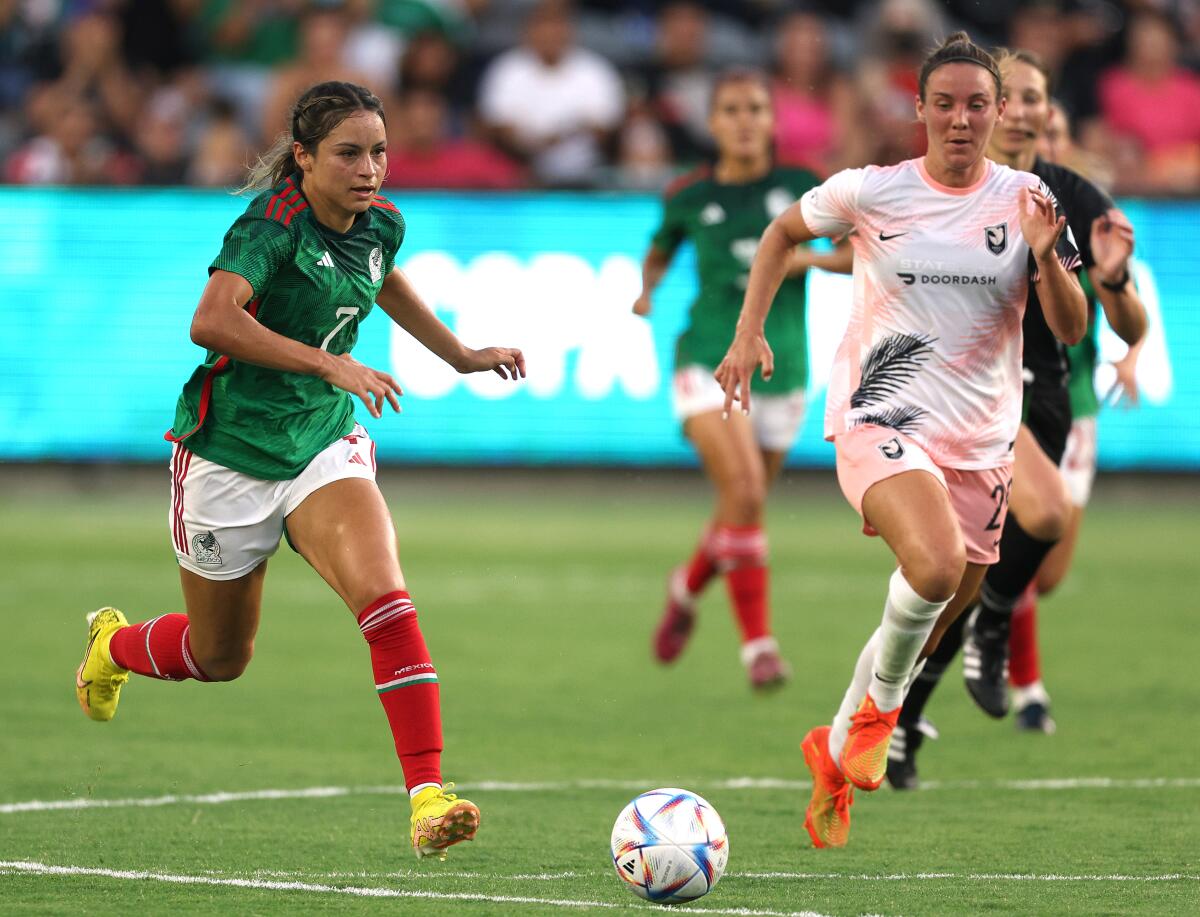
Mexico has also achieved success beyond the senior men’s team. The men’s side won Olympic gold at the London 2012 Games, while Mexican players have made their mark in youth competitions and at clubs around the world. The women’s game is also growing, supported by the continued development of professional opportunities and increased interest among supporters.
Liga MX and its passionate supporters
At club level, Liga MX is the country’s leading professional competition. It features celebrated teams such as Club América, Chivas de Guadalajara, Cruz Azul, Pumas UNAM, Tigres UANL and Monterrey. The league is known for its intense rivalries, colourful match-day atmosphere and strong connection with local communities.
One of its most famous fixtures is the Clásico Nacional, contested by Club América and Chivas. Other major rivalries include the Clásico Regio between Monterrey and Tigres, and the Clásico Capitalino between América and Pumas. These matches are more than sporting contests: they reflect regional identities and club traditions.
Developing the next generation
Football development in Mexico takes place through professional club academies, community programmes, schools and local teams. These pathways give young players the chance to build technical ability, tactical understanding and confidence. Mexican football has produced skilful players known for their creativity, close control and ability to adapt to different styles of play.
As the sport continues to evolve, investment in coaching, facilities and opportunities for girls and women will be important to its future. The 2026 World Cup is another chance for Mexico to welcome supporters from around the world and showcase the country’s football culture.
More than a game
Whether it is a family watching El Tri, supporters filling a Liga MX stadium or children playing in a local park, football holds a special place in Mexican life. Its history, rivalries and unmistakable atmosphere make Mexican football compelling to follow—and its next chapter promises to be just as exciting.
Celebrating Mexico’s Football Legacy: History, Passionate Fans, Thrilling Rivalries, CONCACAF Success, and World Cup Pride
- A rich footballing history.
- Passionate supporters and vibrant stadiums.
- Exciting Liga MX rivalries.
- Strong record in CONCACAF competitions.
- A proud World Cup host, including in 2026.
Challenges Facing Mexican Football: Inconsistencies, Reliance on Key Players, and More
- Inconsistent performances at major tournaments.
- Heavy reliance on a small group of key players.
- Limited success beyond regional competitions.
- Uneven investment in youth development.
- Occasional crowd misconduct and discriminatory chanting.
A rich footballing history.
Mexico has a rich footballing history, shaped by generations of passionate supporters, memorable international tournaments and a strong domestic game. The country has hosted the FIFA World Cup twice, in 1970 and 1986, and will co-host it again in 2026. Its national team, El Tri, is a familiar presence on the world stage, while historic clubs and fierce rivalries keep the sport thriving at home. Together, these traditions make football an important part of Mexico’s culture and national identity.
Passionate supporters and vibrant stadiums.
Mexican football is renowned for its passionate supporters and vibrant stadiums. Fans bring colour, noise and energy to match days, filling the stands with chants, flags and club colours. This lively atmosphere creates a powerful sense of community and makes watching a match in Mexico an unforgettable experience for players and visitors alike.
Exciting Liga MX rivalries.
Liga MX is renowned for its exciting rivalries, which bring extra intensity and passion to the season. Fixtures such as the Clásico Nacional between Club América and Chivas, and the Clásico Regio between Monterrey and Tigres, capture the imagination of supporters across Mexico. With fierce competition, proud club traditions and vibrant crowds, these matches offer a thrilling showcase of Mexican football.
Strong record in CONCACAF competitions.
Mexico has a strong record in CONCACAF competitions, regularly challenging for honours against teams from North and Central America and the Caribbean. The men’s national team has won the CONCACAF Gold Cup numerous times, reflecting its consistency and standing in the region. This success has helped build fierce rivalries, particularly with the United States, and gives Mexican supporters plenty to celebrate.
A proud World Cup host, including in 2026.
Mexico has a proud history as a FIFA World Cup host, having staged the tournament in 1970 and 1986. In 2026, it will welcome the world again as a co-host alongside Canada and the United States, becoming the first country to host or co-host the men’s tournament three times. This rich experience reflects Mexico’s deep passion for football and offers supporters a chance to enjoy its lively stadiums, traditions and welcoming atmosphere.
Inconsistent performances at major tournaments.
One criticism of Mexican football is the national team’s inconsistent performances at major tournaments. Mexico can produce impressive displays and compete strongly against leading sides, yet has often struggled to turn that promise into a deep run at the World Cup or other major competitions. This gap between high expectations and results can frustrate supporters, particularly when the team is eliminated in the knockout stages despite showing moments of real quality.
Heavy reliance on a small group of key players.
One concern for Mexican football is its heavy reliance on a small group of key players. When a few experienced stars are expected to provide most of the creativity, leadership and goals, injuries, loss of form or suspension can leave the team short of alternatives. This can also make Mexico’s tactics easier for opponents to anticipate and may limit opportunities for younger players to gain valuable experience. Developing greater depth across the squad would help the team remain more consistent and adaptable.
Limited success beyond regional competitions.
Despite its strong record in CONCACAF, Mexico has had limited success beyond regional competitions. The men’s national team has regularly qualified for the FIFA World Cup, but has yet to progress beyond the round of 16 in the modern era, falling short of the quarter-finals since hosting the tournament in 1986. This has prompted questions about whether domestic structures and player development are doing enough to help Mexican teams compete consistently with the world’s leading football nations.
Uneven investment in youth development.
One challenge facing Mexican football is uneven investment in youth development. While some professional clubs have well-resourced academies, access to quality coaching, facilities and competitive opportunities can vary considerably between regions and communities. This may limit the progress of talented young players who lack the support or resources to reach their potential, making broader and more consistent investment important for the future of the game.
Occasional crowd misconduct and discriminatory chanting.
Mexican football is celebrated for its passionate atmosphere, but occasional crowd misconduct and discriminatory chanting remain serious concerns. Such behaviour can make players and supporters feel unwelcome, damage the reputation of the game and distract from the action on the pitch. Clubs, governing bodies and fans all have a part to play in challenging abuse, enforcing clear consequences and helping ensure that matches are safe and inclusive for everyone.
Tags: 1970 world cup, 1986 world cup, 2026 world cup, chivas de guadalajara, clásico capitalino, clásico nacional, clásico regio, club américa, concacaf, concacaf gold cup, cruz azul, el tri, estadio azteca, fifa world cup, football culture, football history, fútbol, international tournaments, liga mx, mexican football, mexico, mexico soccer, monterrey, national identity, national team, passionate supporters, pumas unam, regional rivalries, tigres uanl, womens football, youth development